Vignette: The Scent of the Cellar
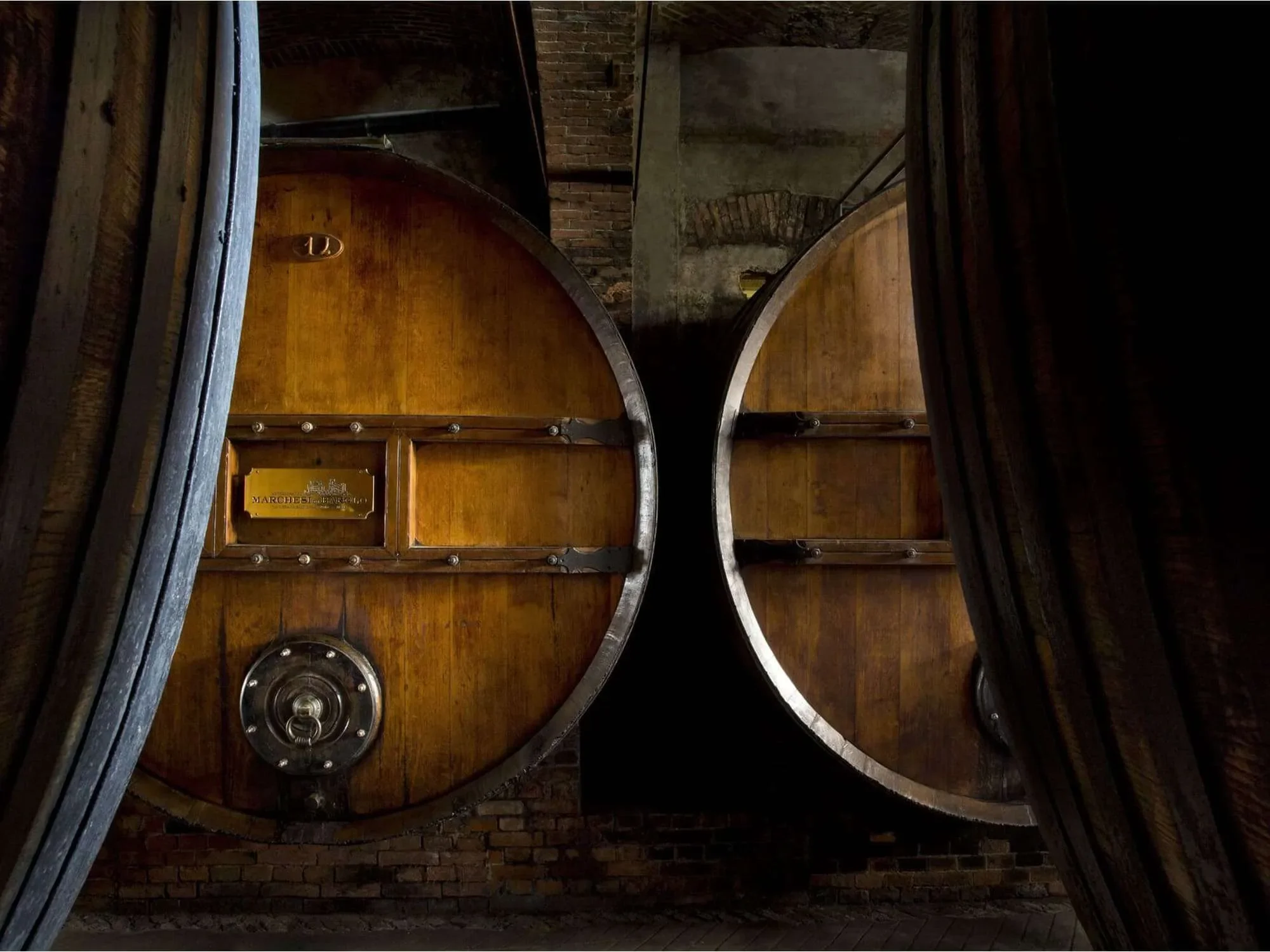
There is a smell in every Barolo cellar that I have never encountered anywhere else and cannot describe accurately to anyone who has not been inside one.
It is not unpleasant. It is not clean either, in the antiseptic way of a modern stainless-steel facility. It is the smell of old stone and damp air and oak that has been absorbing wine for decades, of a room that has been doing the same thing for a very long time and has acquired, through repetition, a kind of identity. The particular combination of Slavonian oak and limestone walls and the faint remnant of every vintage that has ever been racked in that room.
The cellar at Fenocchio smells this way. The cellar under the village of Barolo at Rinaldi smells this way. The cellar at the foot of Cannubi at Sandrone smells different — newer, cleaner, built in 1998 with underground temperature control — but there is still, under the controlled air, something that the older cellars have in common with it. The wine's presence. The accumulated memory of fermentations.
I think about this because the cellar is where the hand does its least visible work.
The vineyard is legible. You can walk a row and see what has been done to it: the pruning style, the cover crop between the vines, the canopy management, the presence or absence of intervention. You can read the decisions in the physical state of the plant. The cellar is harder to read. The decisions made there — when to rack, when to blend, when to bottle, how much to leave to time and how much to accelerate — are invisible in the finished wine. You can taste the result but you cannot see the hand that made it.
What the smell tells you, before you have tasted anything, is something about approach. A cellar that smells of vanilla and new wood tells you one thing. A cellar that smells of old stone and the slow work of neutral oak tells you something else. Not better or worse — different. A different understanding of what the cellar should contribute, which is either much or as little as possible, and everything in between.
The debate in Barolo has always been partially a debate about the cellar. What size oak. What duration. How much the barrel should participate in the flavour of the wine versus how much it should simply provide a container for the wine to develop in. The traditional producers use large neutral botti — five-thousand-litre Slavonian oak that has long since stopped giving anything of its own to the wine inside. The cellar at that point is not a flavour source. It is a waiting room. A place of controlled temperature and darkness where the wine does what the wine needs to do.
What the hand contributes, in that kind of cellar, is presence. Someone who opens the botti periodically and tastes, who decides when the wine has been waiting long enough, who understands that the decision to bottle is itself an act — the final intervention before the wine is sent out to find its own time in someone else's cellar.
Claudio Fenocchio tastes from the botti without a notebook. He carries the reference in his head — what this wine tasted like at this stage last year, what it should taste like next year, what the Bussia has always done in its third winter in the cask. The knowledge is not written down. It is tasted, remembered, updated each time.
This is what the smell tells you before any of that happens. That the room has been used this way for a long time, by people who knew what they were doing, who passed the knowledge to the person standing in it now.
The cellar smells of accumulated attention.
That is the hand, working in silence.
Craft is the antidote to hype. The hand that prunes is the hand that saves. // Arnt