A Language Kept Alive
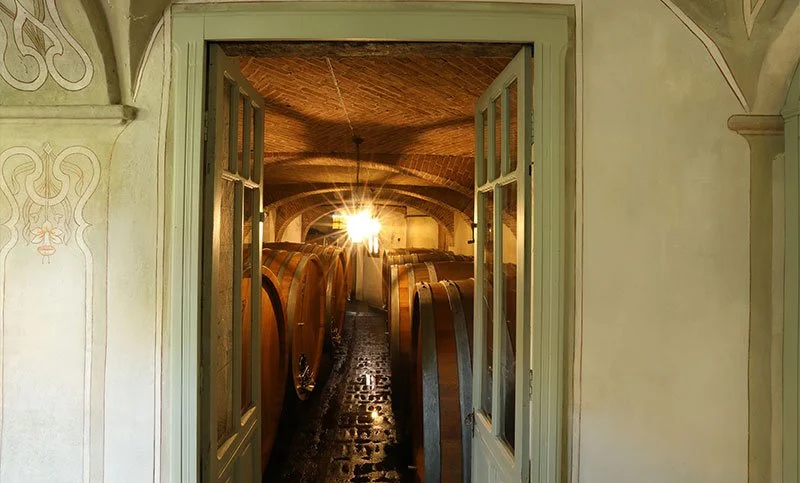
Verduno sits at the northwestern edge of the Barolo denomination, where the hills begin to soften and the commune feels, on first approach, less urgent than Serralunga or Castiglione Falletto.
Smaller. Quieter. The kind of village that does not announce itself.
It almost lost its most distinctive grape.
Pelaverga Piccolo — not to be confused with the Pelaverga grown elsewhere in Piedmont — is a variety that exists almost entirely within the Verduno commune. It makes a pale, peppery red wine that is the opposite of everything Barolo is: light in body, aromatic, low in tannin, built for the table rather than the cellar. During the decades when the Barolo denomination was gaining international prestige and producers were converting everything to Nebbiolo, Pelaverga had no obvious future.
Ignazio Burlotto became the sole producer of varietal Pelaverga wine during the war years, growing grapes on his own and buying small quantities from neighbouring farmers. He kept the variety in production when it would have been easier and more profitable to pull it and replant. When he died in 1968, his daughter Marina was seventeen years old. She inherited the estate, the Barolo vineyards, and a near-extinct grape variety that the denomination had all but forgotten. Wine-SearcherMerchant of Wine
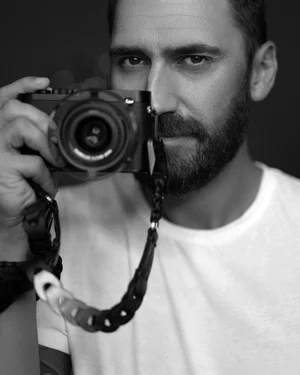
Today Fabio Alessandria — Marina's son, fifth generation — makes the Verduno Pelaverga that critics have called the finest expression of the variety that exists. Twelve producers now grow it across the denomination. Verduno Nebbiolo plantings have grown from 51 hectares in 1995 to more than 110 hectares today. Sandroneluciano
One family. One decision not to stop.
A language that nearly died is still being spoken.
Comm. G.B. Burlotto, Verduno. Founded 1850. Giovan Battista Burlotto was official supplier to the Royal House of Savoy. Marina Burlotto and husband Giuseppe Alessandria run the estate with their children Fabio and Cristina. 17 hectares across 14 crus.