Forty Days, Ninety Days
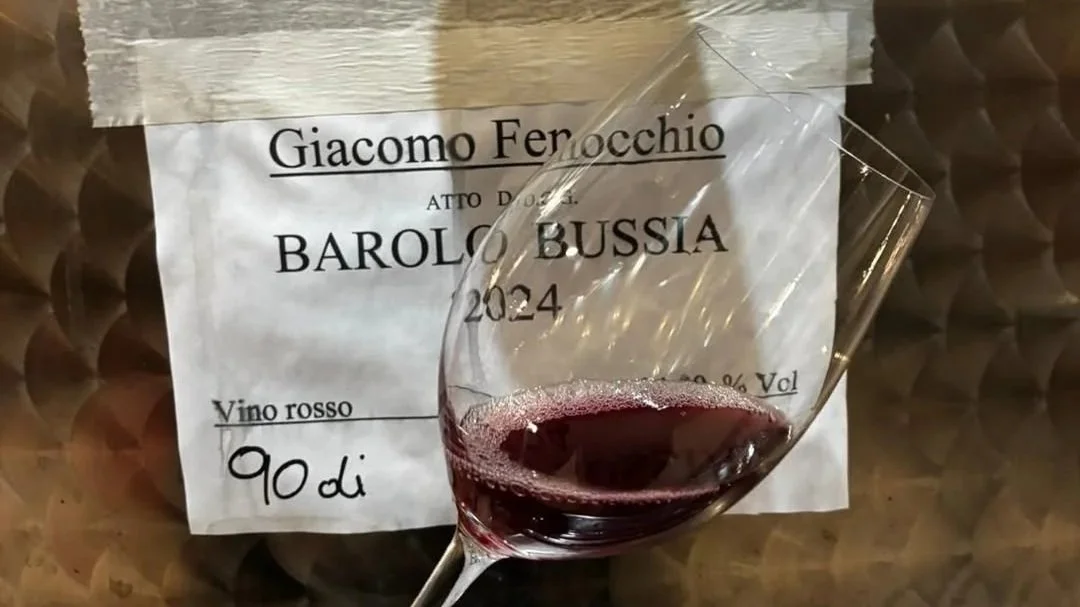
We are in the recently built cellar. Claudio pours the latest Barolo from the botti one by one — not for show, just to show me, and for me to taste. The Slavonian oak is old, neutral, enormous. The wine inside is not yet wine in the sense that it will be. It is still becoming.
He explains the timeline the way someone explains the weather. Forty days of skin contact. Six months in tank. Thirty months in these casks. A year in bottle. By the time anyone drinks it, more than four years will have passed from harvest.
He does not frame this as a philosophy. It is simply what the grape requires.
When Giacomo his father died in 1989, Claudio was young. The Barolo Wars were beginning. The modernists had a real argument: old-style Barolo was often brutal, oxidised, irregular. Shorter maceration, smaller barrels, accessible tannins. The market was responding. Many of Claudio's neighbours followed.
Claudio looked at the botti. He kept going.
Not stubbornness. He will say it clearly if you ask: the long maceration is not tradition for its own sake. It is integration. The tannin and the fruit need time to become the same thing.
I am tasting the Bussia next to the Cannubi. Same technique, same cellar, same winemaker. Entirely different wines. The land is the variable. The patience is the constant.
Eleonora, his daughter — sixth generation, whom I first met at Nebbiolo Day in London — is tasting alongside us. She doesn't say much. She doesn't need to. She already knows.
Giacomo Fenocchio, Monforte d'Alba, founded 1864. Claudio farms 14 hectares. The Bussia Riserva "90 Dì" is produced in exceptional vintages only.