The Colour of Nebbiolo
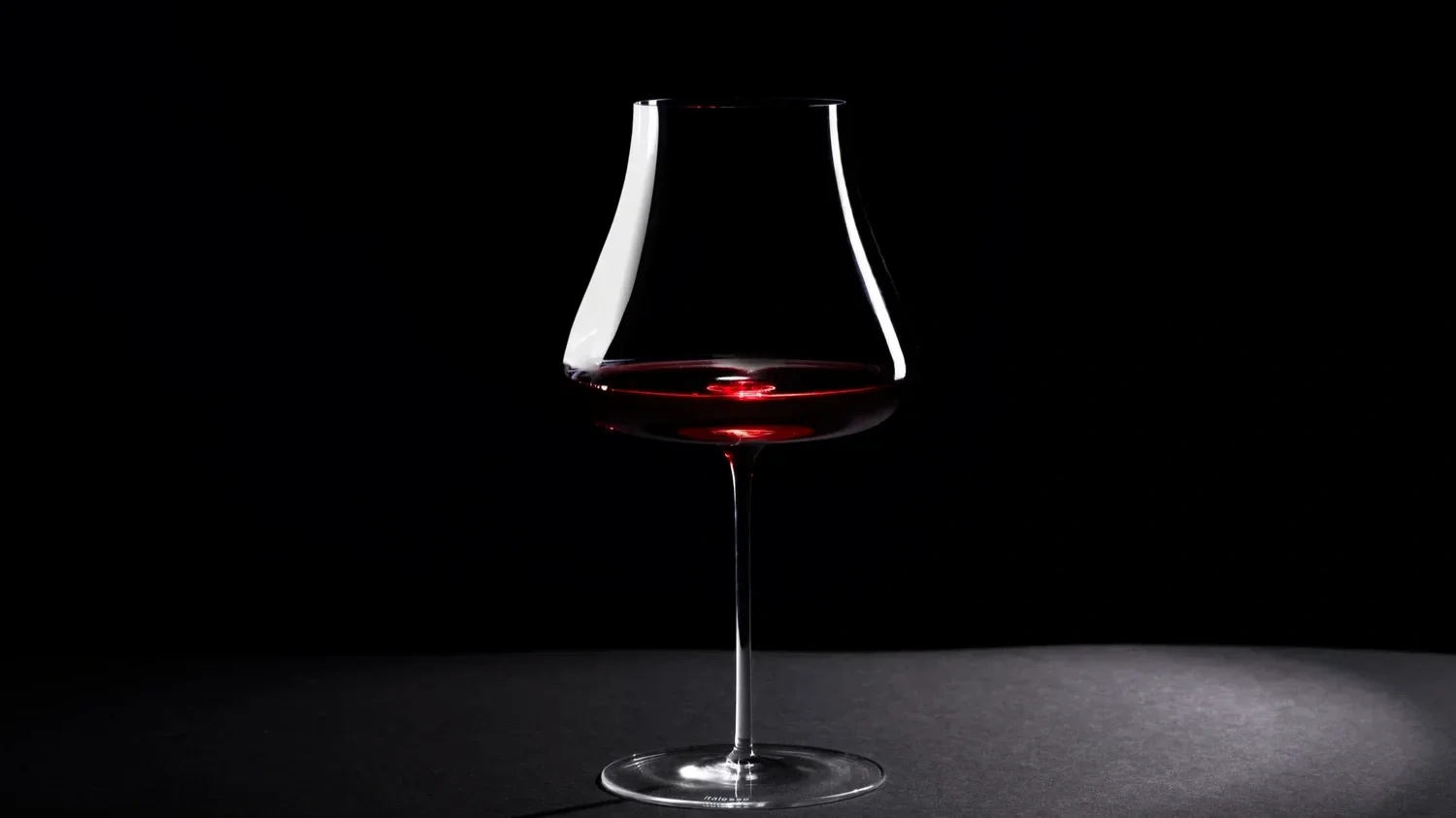
Hold the glass up to the light. Not to perform the ritual. Do it because the colour of Nebbiolo is one of the few things in wine that is genuinely disorienting the first time you encounter it.
It is pale. Translucent at the rim. A garnet that fades toward orange earlier than you expect, in ways that suggest age even in a young wine. Next to a Cabernet or a Syrah, it looks fragile. Apologetic. Like something has been lost in transit.
Nothing has been lost.
The colour of Nebbiolo is the colour of Nebbiolo. The grape is thin-skinned — one of the most delicate skins in the red wine canon — and slow to give colour during maceration no matter how long the winemaker waits. The pigment is structurally limited. What is not limited is everything else: the acid, the tannin, the aromatic complexity, the capacity for ageing. Everything that makes Barolo powerful and long-lived is packed into a grape that looks, in the glass, like it might not survive being poured.
I remember the first time I held a Barolo up to a window and thought something was wrong.
Nothing was wrong.
It is a wine that teaches you to distrust your eyes. And that lesson turns out to be one of the more useful ones the Langhe offers.
Because the pale transparency of Nebbiolo is not weakness. It is a kind of honesty. The grape shows you exactly what it is without the thick pigment that other varieties use, in effect, as armour. What you see in the glass is all there is to see. What you cannot see — what happens when that pale liquid meets twenty years of patience in a dark cellar — is where the real argument is made.
The nebbia does the same thing. The fog that sits over Serralunga in October, that fills the valley between Barolo and Castiglione Falletto every autumn morning, looks from inside it like nothing at all. Simple weather. Damp air. You can barely see the row ahead. But inside the fog, the temperature drops, the ripening slows, and the Nebbiolo grape is doing something irreplaceable — building acid, holding structure, becoming the thing that will spend the next two decades developing in a cellar below a hill you can no longer see.
Appearances in the Langhe are reliably misleading. The steepest vineyards look, from the road below, like gentle terracing. The limestone-marl that produces the longest-lived Barolos is pale, crumbling, undramatic to look at. The winemakers who make the most serious wines are often the quietest people in any room.
And the grape that produces one of the world's most age-worthy red wines is a translucent garnet that fades at the rim before it has even had time to breathe.
There is a patience required to drink Nebbiolo well. Not only the patience to cellar it. The patience to stop expecting the glass to tell you everything upfront. The colour is the beginning of the conversation, not the conversation itself.
What the wine says at the table — after an hour in the glass, after three years in the cellar, after a decade of slow and unremarkable transformation in the dark — cannot be read from the outside.
You pick it up. It looks like it might be delicate.
Then it is in your mouth, and you understand that delicacy was never the point.
The point was always depth, arriving slowly, on its own schedule, with no interest in your impatience.
A wine that teaches you not to judge by what you see.
The Langhe is full of those.
The most important things in life are sensed, not seen. // Arnt