The Hill That Doesn't Announce Itself
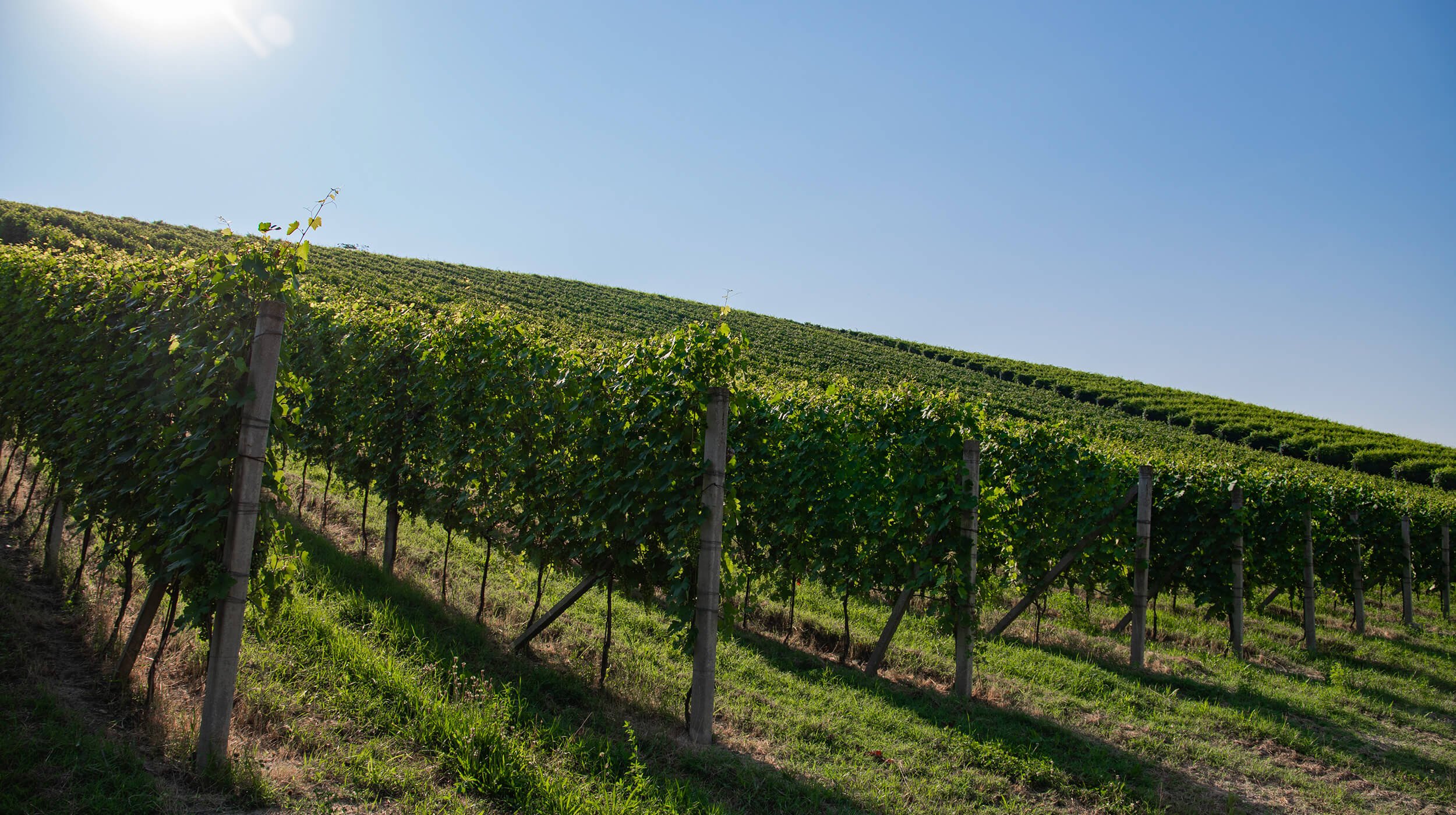
The road into Serralunga climbs in a way that makes you slow down whether you want to or not. The castle appears on the ridge before the village does. Then the vines on all sides, pale soil between the rows, and above everything the sense that this hill has been doing what it does for longer than anyone living can account for.
Vigna Rionda is at the southern end. You can't see it well from the road. It doesn't announce itself.
I think about that. The most celebrated cru in Serralunga sits there without a sign, without theatre, doing what it has always done. The Lequio formation underneath — compacted calcareous marl and sandstone — is not soil that gives generously. It is soil that resists. The vine roots go down because they have no other choice, searching through compressed rock for water the hill withholds until it decides otherwise.
What comes from that is not softness. It is depth. A wine that has learned persistence from the ground it grew in.
Gianpaolo Pira talks about his three crus — Margheria, Marenca, Vigna Rionda — as three different conversations. Margheria is elegance. Marenca is structure. Vigna Rionda is something else. He doesn't have a word for it. He pauses when I ask. Then he says: it's the hill itself, in the wine.
I drive back down through Serralunga in the late afternoon. The castle sits where it always sits. The vines are bare in March, rows of dark wood against the pale limestone.
The hill doesn't need to announce itself. It has been here since before announcing was an option.
Luigi Pira farms Margheria, Marenca, and Vigna Rionda in Serralunga d'Alba.
The estate has been in family hands since the end of the nineteenth century.