ABOUT THE BOOK
Everything you want to know before you decide
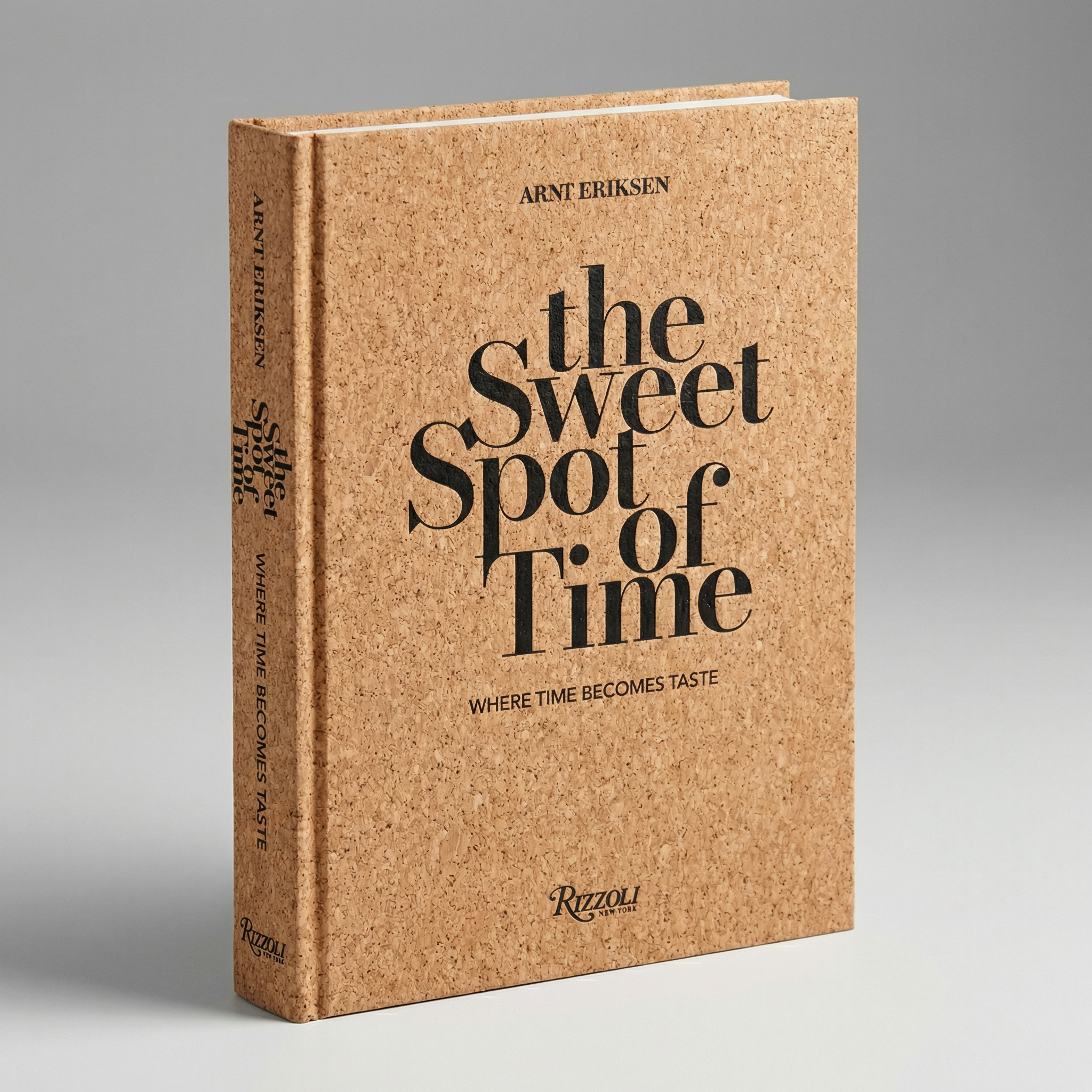
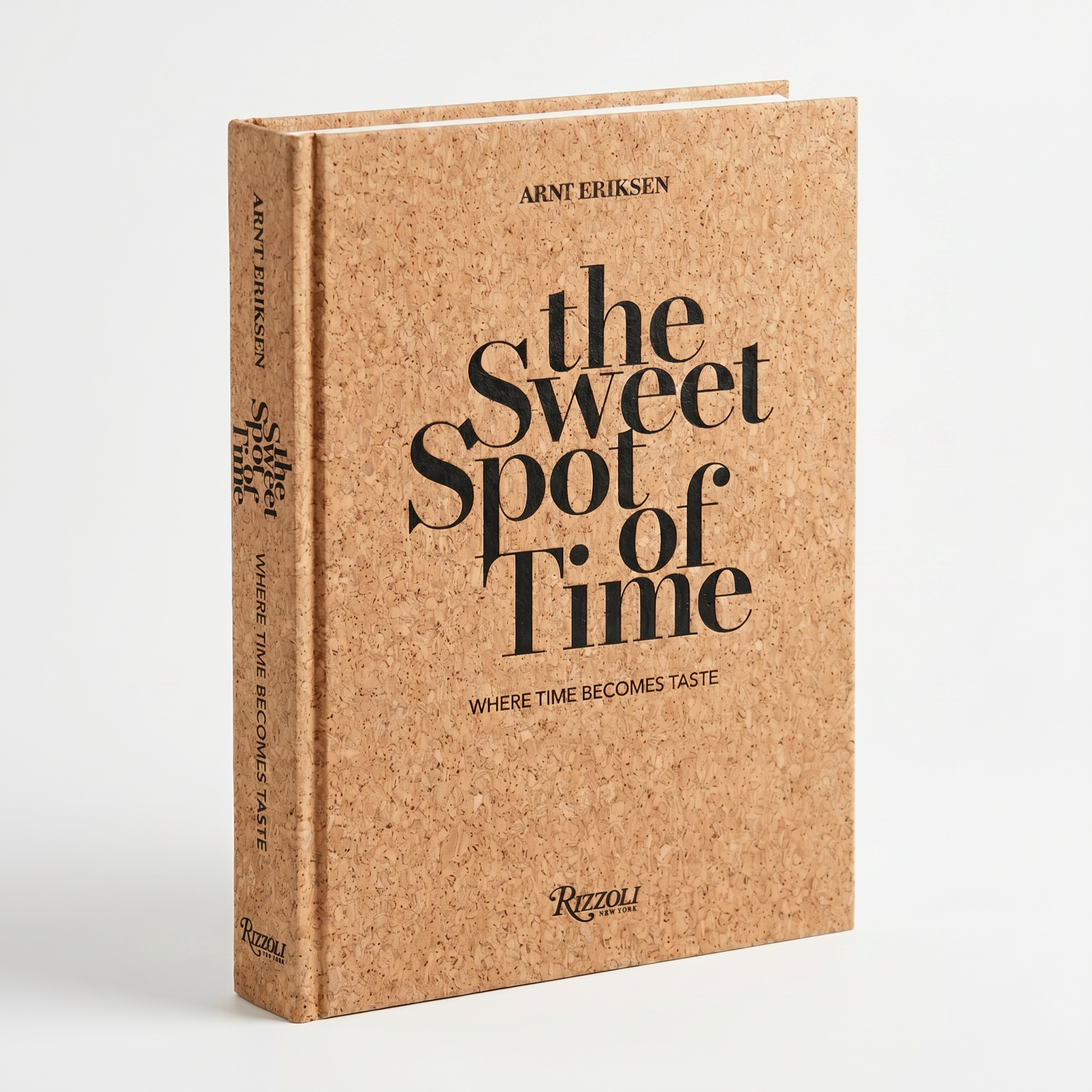
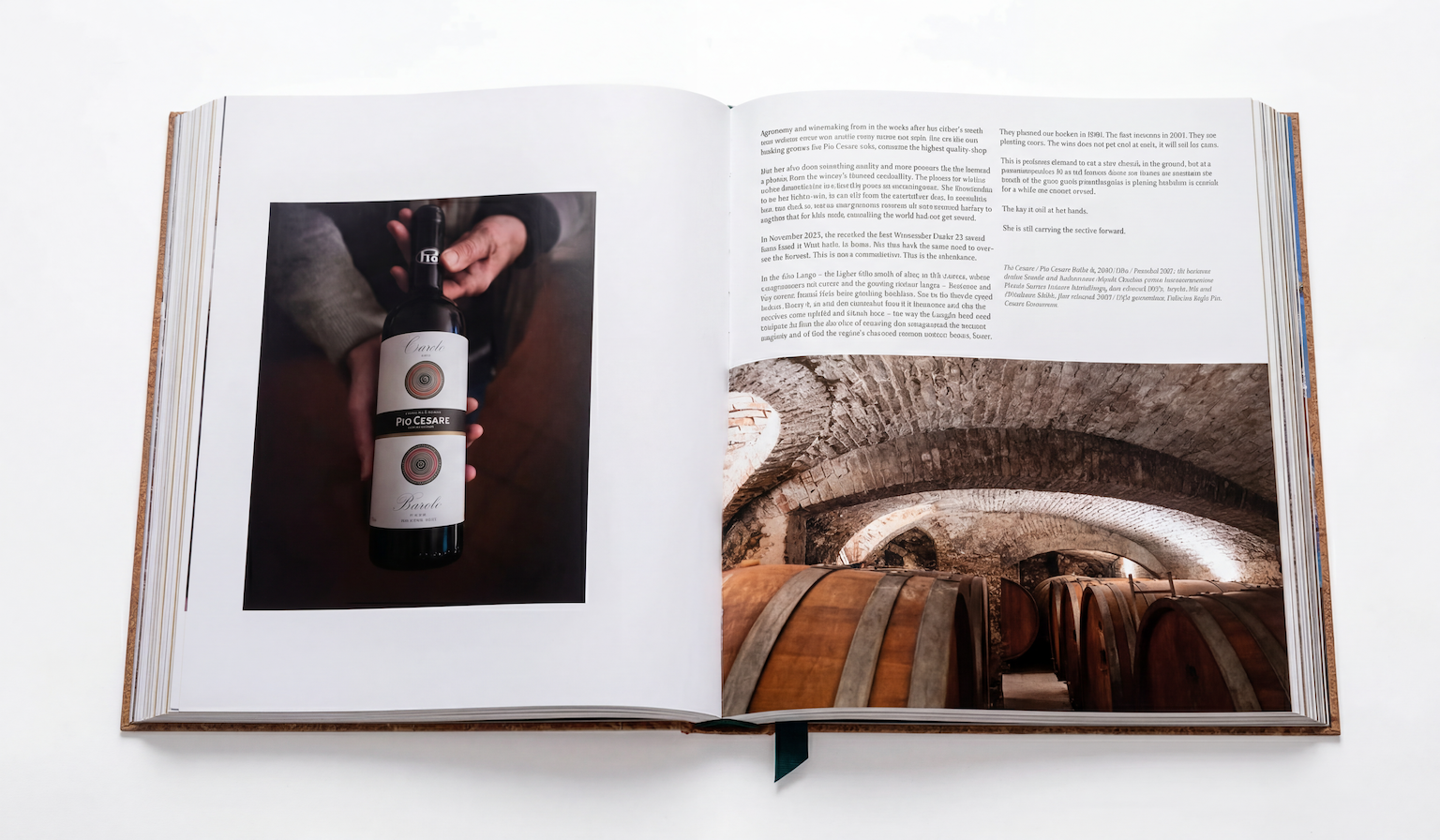
THE BOOKBarolo: The Sweet Spot of Time is a premium large-format hardcover coffee-table book.
Format, 11" × 13" (280 × 330 mm). 335 pages.
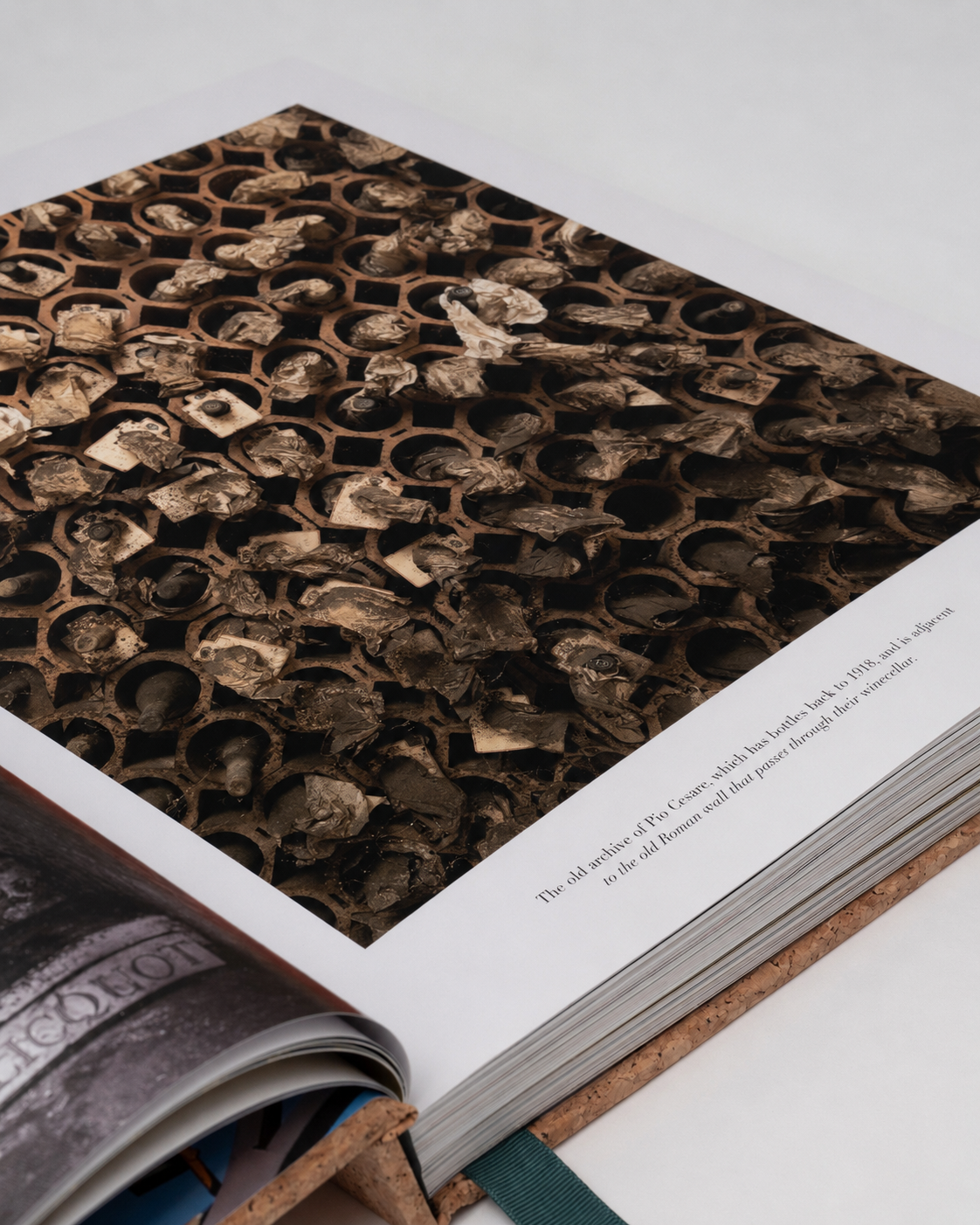
Hand-stitched binding, matt high-quality paper
260+ original photographs shot exclusively for this book.
THE OBJECT
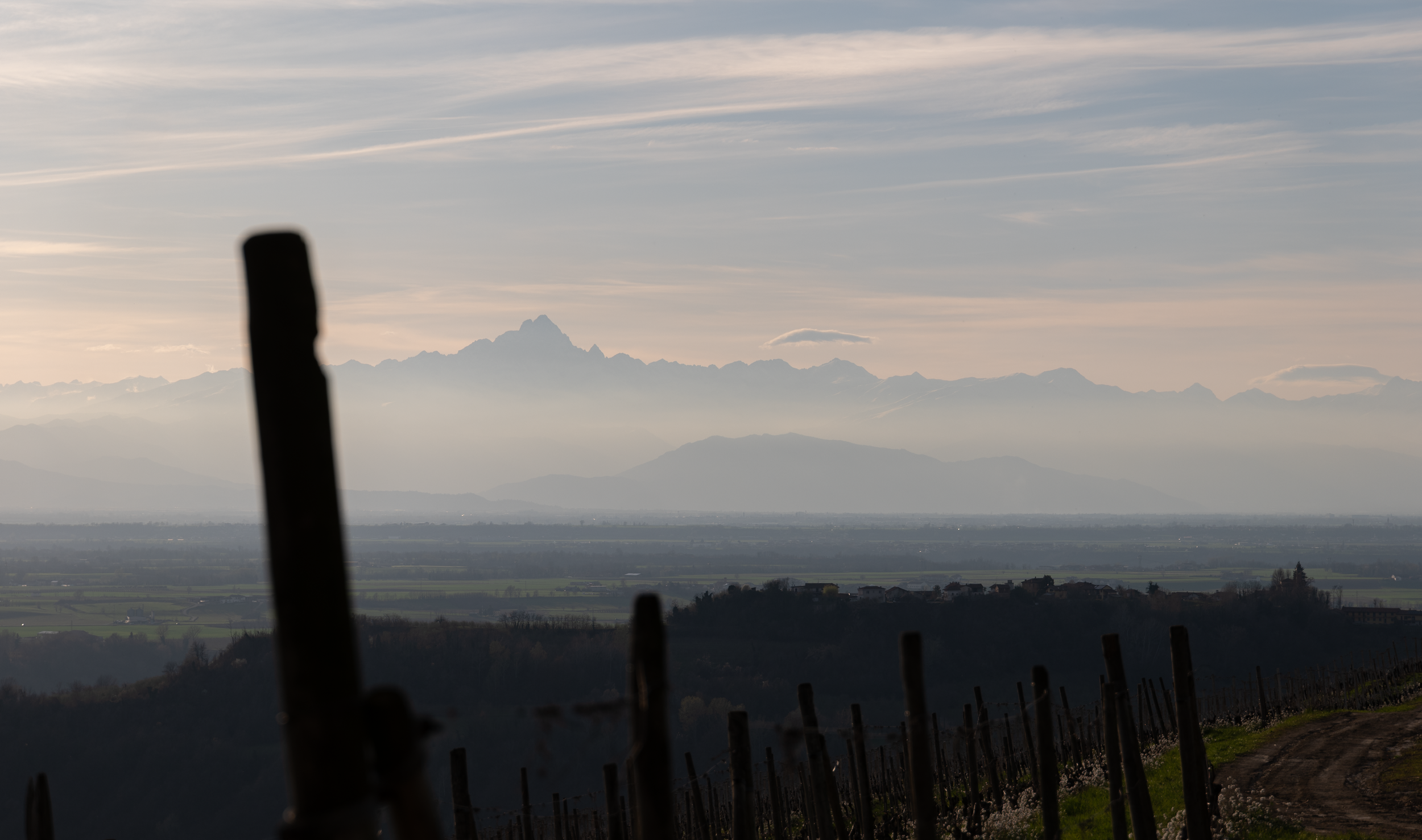
It is not a wine guide. It is not a reference book. It is a portrait of a place, told through the people who have given their lives to it.
Rizzoli. Publication 2027. English and Italian editions published simultaneously.
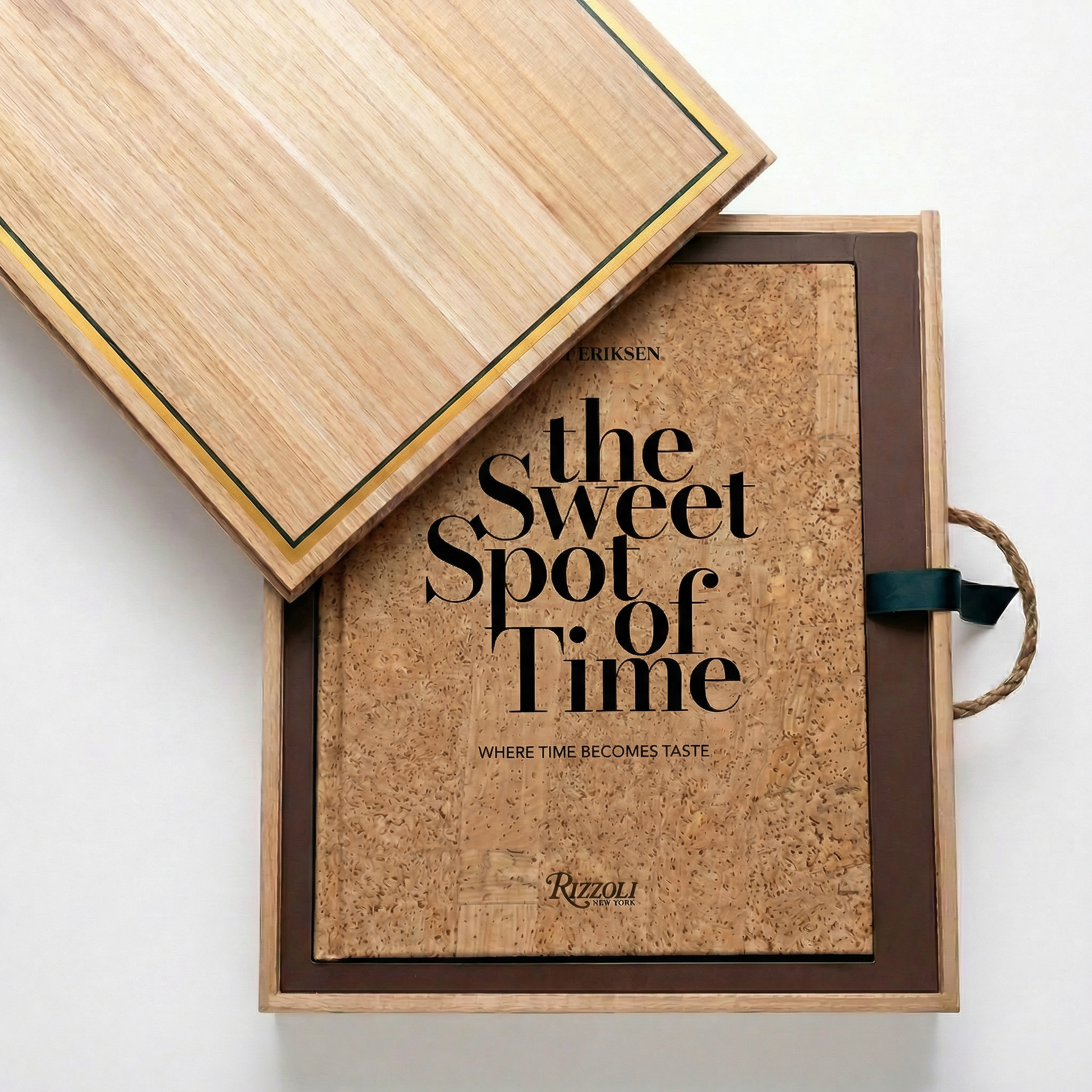
The first edition retails at $125. Patron copies are signed, numbered, and not available through retail.
The Patron Circle is small by design. There are no open calls, no algorithms, and no marketing campaigns behind this page.
You are here because someone thought you belonged here, or because something brought you this far on your own.
Either way, the door is open. I welcome your support
Ready to be a patron?
What the book is
Three custodians keep Barolo alive. The vignaiolo tends the vine across decades, answering to weather he cannot control and markets he refuses to chase. The nonna holds the kitchen as a form of memory — her recipes unchanged not from stubbornness but from understanding. The trifolau moves through the forest before dawn with a dog whose silence teaches more than most meetings.
None of them are in a hurry. None of them can afford to be.
Barolo: The Sweet Spot of Time follows all three across four movements — Time, Place, Hand, and Legacy — through 33 estates and the communes that shaped them. It is built on years of access, hundreds of hours of conversation, and a single conviction: that patience is not a strategy. It is a way of life.
The book profiles 22 estates in full portrait and 11 in supporting depth. Every photograph was taken by the author. Every word was written by the author. Nothing was outsourced, aggregated, or assembled from existing sources.
The structure
-
We begin before the story starts. In October, the nebbia settles over the Langhe — thick, unhurried, indifferent to anyone waiting to see. The prologue asks the question this book is built around: what does it mean to trust what you cannot yet see? The fog is the first lesson. What obscures also protects. What slows also deepens. Barolo's character begins here, in the weather, before a single grape is pressed or a single hand is raised.goes here
-
Before you meet the people, you need to understand the place they chose to stay. Part I is the ground. The history of how Barolo became Barolo — from Giulia Colbert Falletti's 325 barrels for a king, to Renato Ratti's 1971 map that gave the hillsides a language, to the DOCG laws that codified patience into law. Here you walk the soil — Helvetian marls, Tortonian sandstone, 181 recognised parcels each with a different character. You meet Nebbiolo: the grape that ripens last, demands most, and rewards only those who stay. This part builds the case that time is not a constraint here. It is the method.
-
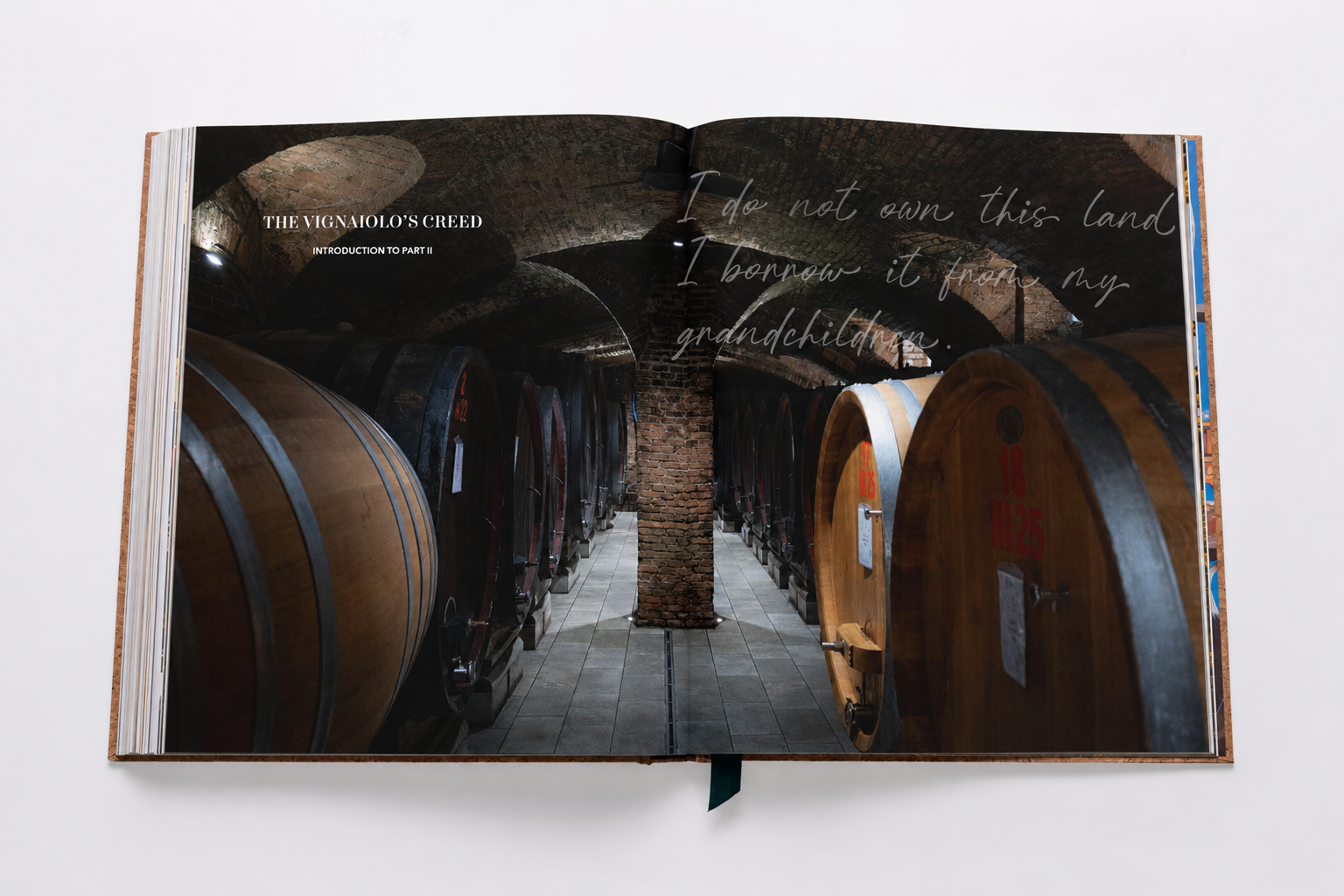
This is the longest movement in the book. Thirty-three estates across seven communes — full portraits and intimate vignettes — each one a life lived in close conversation with land, weather, and Nebbiolo. You meet traditionalists who have changed nothing for sixty years, and modernists who changed everything in a single decade. You stand in cellars where wine ages in silence for years. You see families hand something forward they will not fully see completed. The winemaker's relationship with time is not passive. It is the most active form of patience there is: choosing, season after season, to trust the process.
-
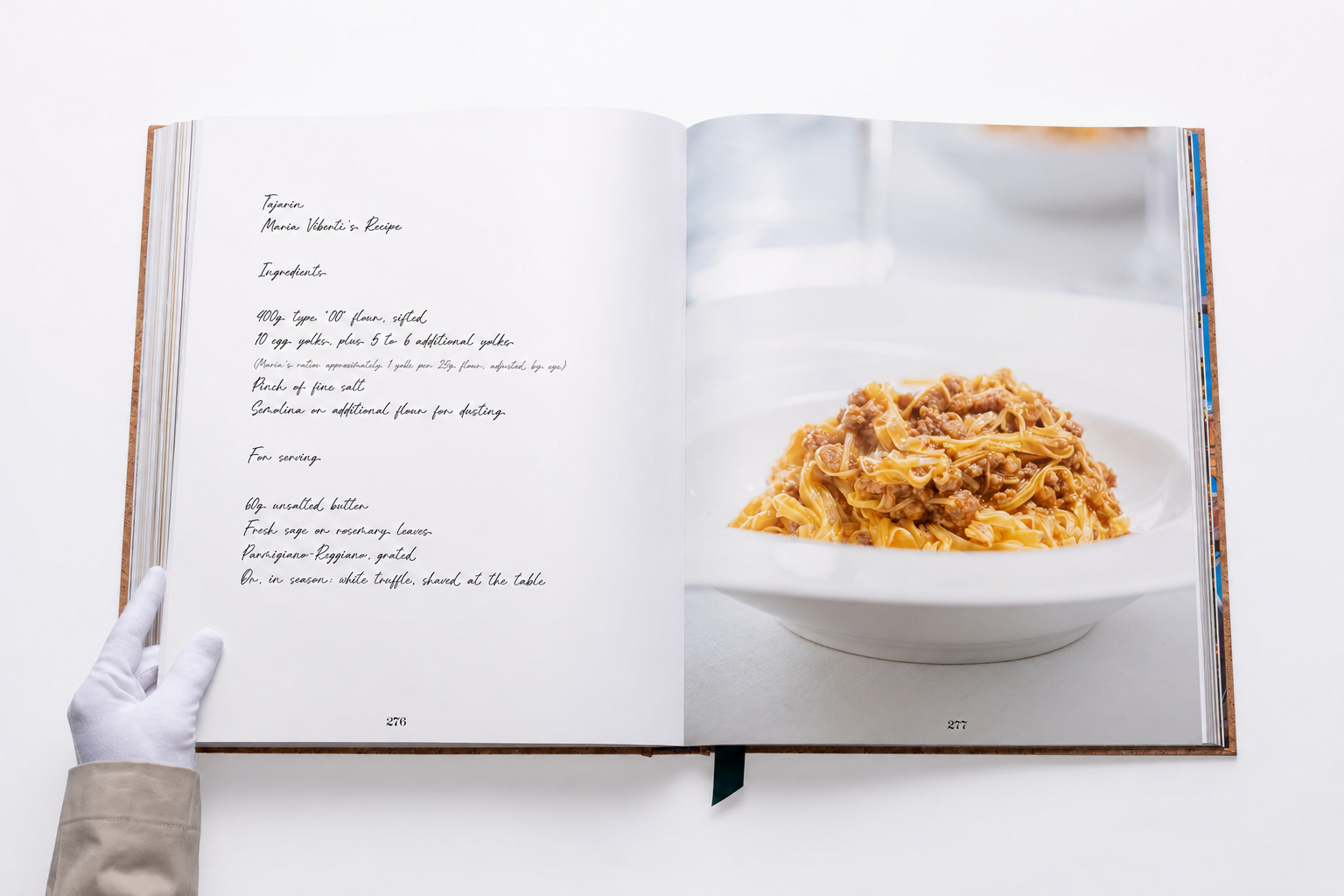
The kitchen holds what the cellar cannot. Part III moves from the vineyard into the heart of Langhe domestic life — the kitchens where tajarin is rolled from forty egg yolks, where brasato al Barolo braises for six hours, where bagna càuda brings a whole table together around one pot. The nonna is not a supporting character. She is the connective tissue between the vignaiolo and the trifolau. Her recipes are unwritten and unforgotten. Her hands carry a hundred harvests of memory. This part is about how culture survives — not in archives, but in repetition, in kitchens, in the insistence on doing it properly even when faster would do.
-
The forest does not yield to searching. Part IV moves before dawn, in silence and cold, with a dog whose nose knows what no map can show. The trifolau — the truffle hunter — practices the oldest kind of patience in the Langhe: listening to the land without asking it for anything. Here there are no rows, no barrels, no recipes. There is only the relationship between a man, a dog, and a forest that keeps its secrets on its own terms. This part is about what happens when you stop trying to control the outcome and learn to work entirely within uncertainty.
-
Everything meets at the table. A harvest dinner at Marcarini: tajarin, brasato, shaved truffle, a bottle of Barolo opened six hours earlier. The vignaiolo, the nonna, the trifolau — each at their own labour for years — converge in one October evening. Part V also holds the question that gives the book its title: when is Barolo ready? The sweet spot of time is not a formula. It is a sensibility. Something cultivated through years of attention. This is where pazienza stops being philosophy and becomes something you can taste.
-
The book closes where it began. The same vineyard. October fog. But fifteen years have passed since the 2011 Borgogno was made, and I open it now on the stone wall above the estate. The wine is at its peak. So, perhaps, am I. The epilogue is not a summary. It is a reckoning. What has changed, and what the fog always knew: that time is not the enemy. Time is the ingredient. Pazienza.
What began with a single bottle of Barolo in a small Norwegian wine shop has become something that resists easy description.
Not a wine book. Not a travel book. A long act of attention — paid slowly, over years, to the people who understand that the best things cannot be rushed.
THE AUTHOR
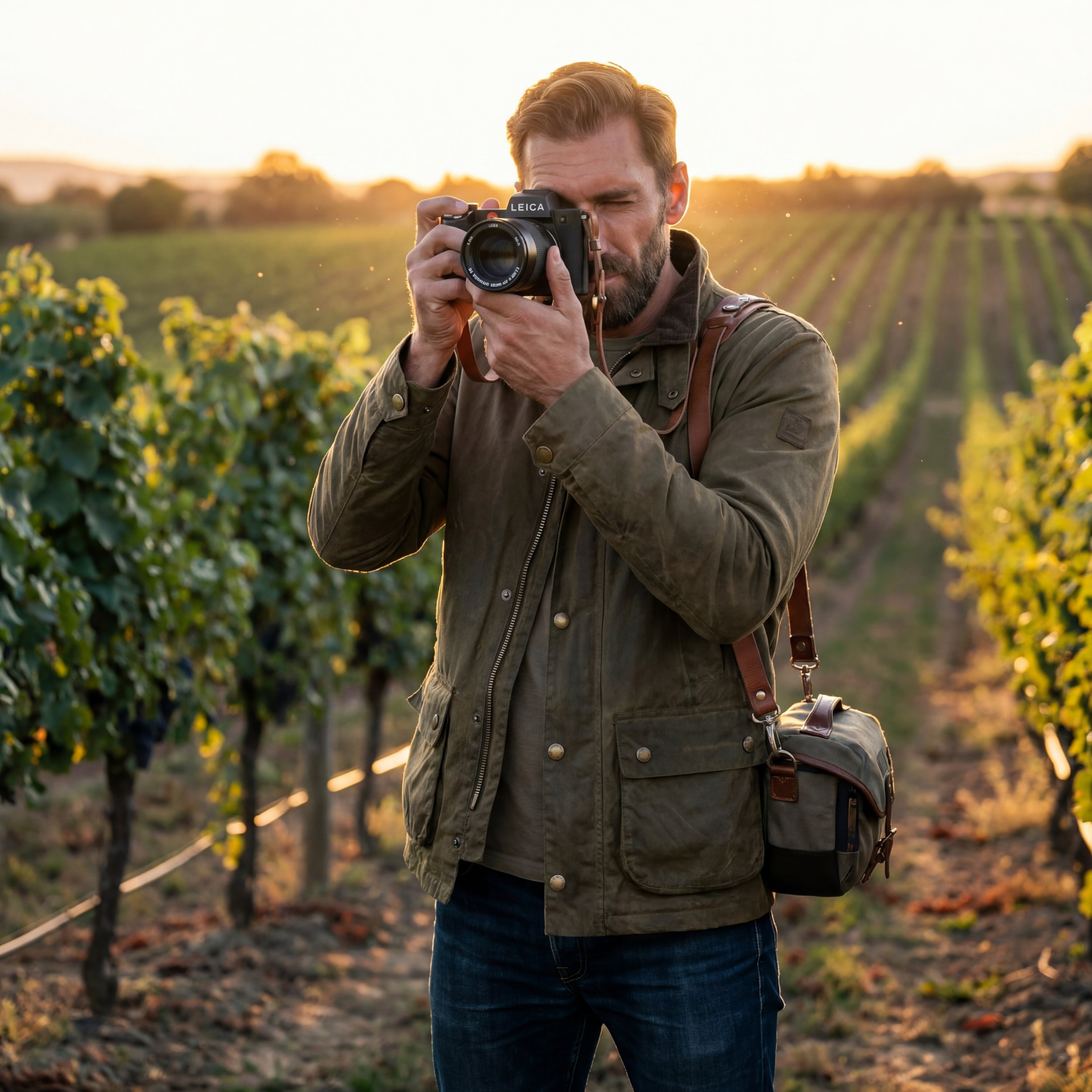
Arnt Eriksen
Arnt Eriksen is a Norwegian-born brand strategist, photographer, and creative director with Italian ancestry traceable to 1432 — a Venetian shipwreck that carried sailors north to Lofoten, where two stayed and one became his ancestor.
He has spent 30 years translating complexity into emotion, working with Google, Meta, PayPal, American Express, and many others. His journey with Barolo began in 2011 with a bottle chosen for its label — Borgogno, restrained and confident, suggesting history without announcing it. By 2017, standing in the ancient cellars of a Barolo estate in front of a 120-year-old chestnut barrel still in active use, something clarified.
Barolo was not a wine. It was a way of seeing.
That realisation became this book.
Author, Photographer, Storyteller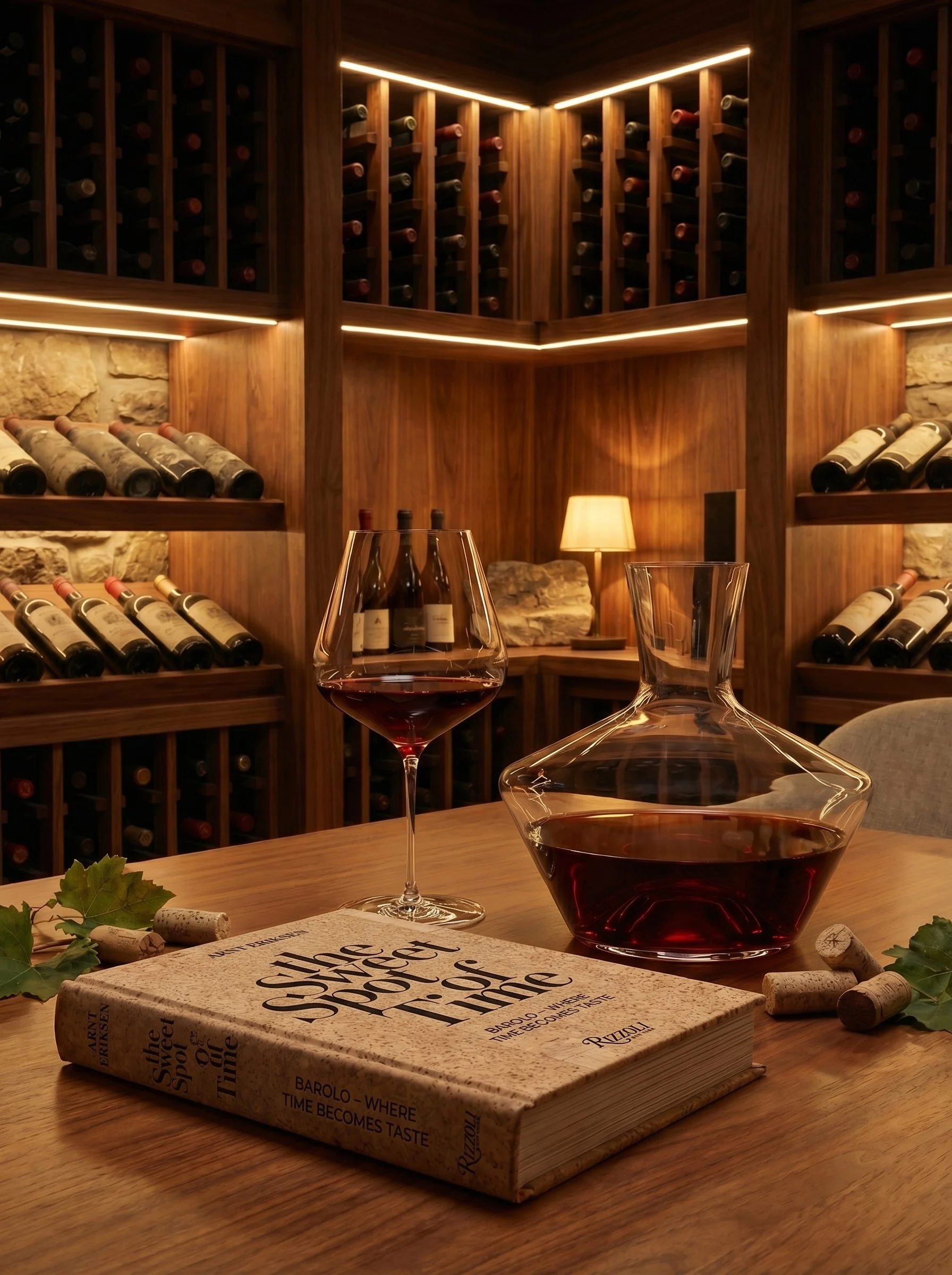
The book has been an idea that grew slowly over the past years, and developed independently over the past months, with direct access to estates, families, and cellars across the Barolo communes. It carries institutional support from UNESCO, Slow Food/Slow Wine Italy, the Consorzio di Barolo, and regional tourism organisations.
Cultural and hospitality partnerships are in place with design hotels, exclusive wine clubs, private membership clubs, and galleries internationally.
The book is designed for a 10-year backlist life and intended for adoption by wine clubs, museum stores, five-star hotels, and cultural institutions globally.
Rizzoli New York is our publishing house, and the book will be distributed worldwide by Penguin Random House in 2027.
work in progressThe project's standing
Your Questions, Answered
-
Patron copies are delivered 2 weeks prior to publication in 2027.
You will be notified directly as the date approaches, and your copy will be dispatched before general retail availability.
-
Each patron copy is hand-signed by the author and carries a unique edition number. The numbering is sequential and reflects the order in which patrons confirmed. Lower numbers go to earlier patrons.
-
No. Patron acknowledgements appear only in the first edition. They will not be replicated in any subsequent printing. That is deliberate — and it is part of what makes the acknowledgement mean something.
-
Yes. Contact barolo@arnteriksen.com with the recipient's name and any personal note you would like included. Once you’ve committed to the Patron tier you’d like to give.
The acknowledgement, certificate, and correspondence will be issued in their name.
-
No. This is a direct patronage of an independent creative work, not a charitable donation.
You are supporting the making of a book, and in return you receive something of lasting value.
-
Publishing timelines shift. If the date moves, every patron will be notified immediately and directly.
Your contribution funds the work itself — it is not contingent on a fixed delivery date.
-
Write to barolo@arnteriksen.com.
You will receive a personal reply.
The Patron Circle is small by design. There are no open calls, no algorithms, and no marketing campaigns behind this page.
You are here because someone thought you belonged here, or because something brought you this far on your own.
Either way, the door is open. I welcome your support
Ready to be a patron?