The Vines That Survived
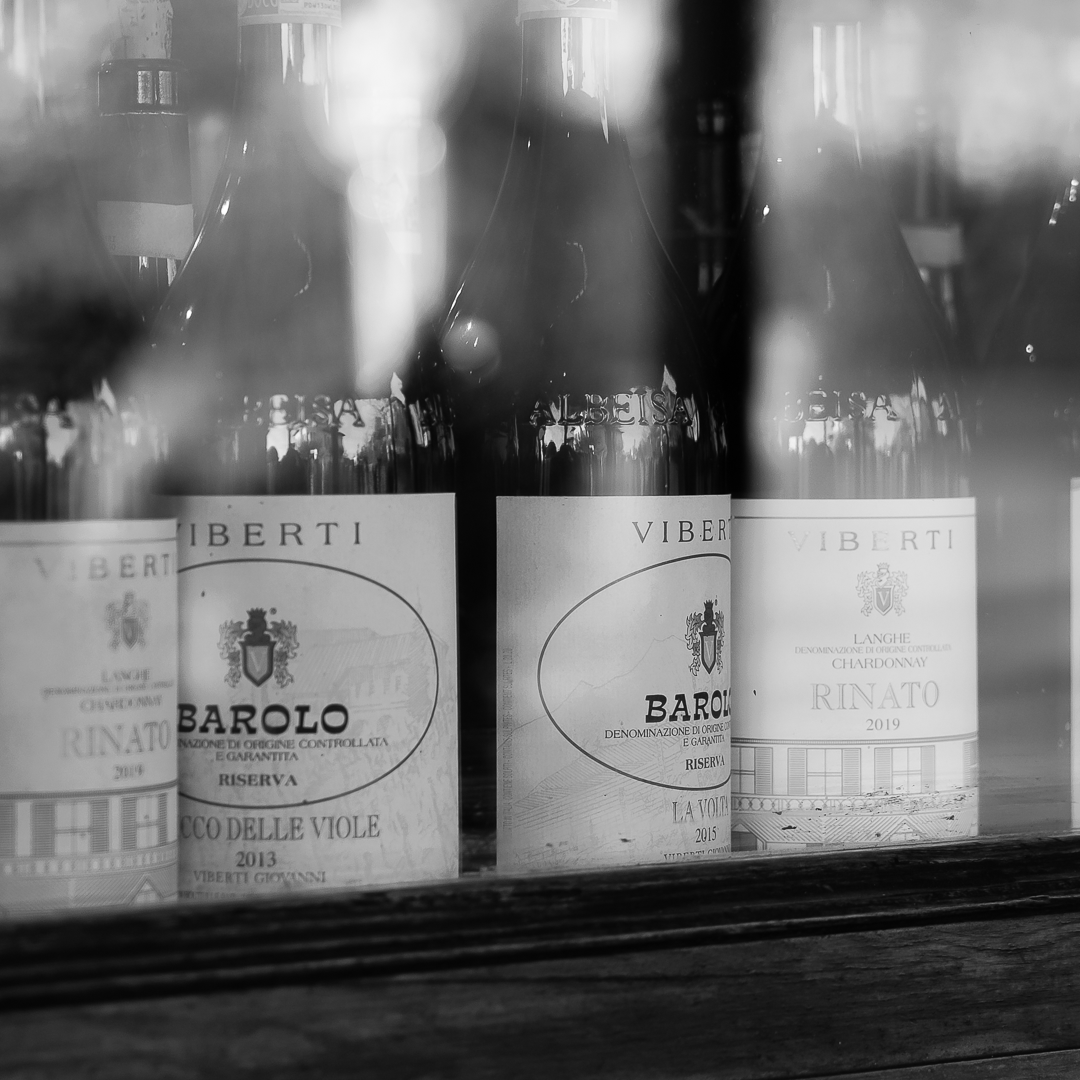
Bricco delle Viole is at the top of the hill. Not the middle of the slope, not the comfortable mid-altitude that most Barolo crus occupy — the very top, at 480 metres, where the wind comes in from the Alps and the growing season is the longest in the commune.
Viberti has farmed here for decades. The parcel is exposed on all sides. In a cold spring, it is the last to show green. In a difficult autumn, it is the last to harvest. The vines that survive at this altitude are not the easy ones. They are the ones that have spent years putting roots down through the pale, calcareous clay in search of something the elevation withholds from the surface.
What they produce is not the richest Barolo in the denomination. It is among the most persistent.
Claudio Viberti talks about Bricco delle Viole the way people talk about a difficult colleague who produces exceptional work — with something between exasperation and admiration. The altitude makes everything harder. The exposure makes ripening unpredictable. In a great vintage, the vineyard rewards the difficulty with a wine of extraordinary precision and freshness. In a difficult vintage, it gives you a wine that needs more time than everything else in the cellar.
Claudio doesn't soften this. It is what the land does.
The vine at 480 metres does not need more sun or a warmer site. It needs the farmer to accept its terms.
Claudio does.
Viberti Giovanni farms Bricco delle Viole, La Volta, and San Pietro in the Barolo commune. Founded 1923. Claudio Viberti, third generation, leads the estate.